
Tatting is a traditional lace-making technique that creates delicate lace from thread. In this technique, rings and chains form the decorative structure, using special crochet thread.
These elements rely mainly on double stitches and picots, which repeat in various combinations to create intricate patterns.
Historically, people used tatting lace as a decorative element in clothing and home textiles. Today, this technique is especially popular in jewelry making, where its light and intricate structure truly stands out. Using these methods, you can create tatted earrings, chokers, bracelets, rings, and pendants that combine fine lace with a modern aesthetic.
If you are new to this craft, you might be surprised to learn that lace can be created in several ways.
In fact, three main techniques exist, each using different tools while producing a similar lace structure.
This short guide introduces the three types of tatting and explains how they differ, helping beginners decide which method may be the best place to start.
Shuttle Tatting
Shuttle tatting is the most traditional form of tatting and the one most people associate with classic tatting lace.
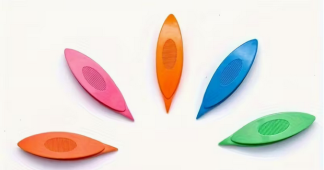
It uses:
- one or two tatting shuttles
- thread wound onto the shuttle
Stitches are formed by flipping knots onto a core thread, creating rings and chains.
Pros:
- very strong, durable lace
- precise stitch control
- traditional method with many historic patterns
Cons:
- steeper learning curve for beginners
- thread management can feel complicated at first
Shuttle tatting is often preferred by experienced tatters and those interested in historical lace techniques.
Needle Tatting
Needle tatting uses a long tatting needle instead of a shuttle.
The stitches are formed directly on the needle, then slid off to create rings and chains.
It uses:
- a tatting needle
- thread (crochet cotton or pearl cotton)
Pros:
- easier to learn for beginners
- stitches are more visible while working
- simpler thread handling
- ideal for step-by-step learning
Cons:
- lace can be slightly softer than shuttle tatting
- needle size must match thread thickness
Because of its accessibility and clarity, needle tatting is one of the best ways to start tatting, especially for complete beginners.
👉 This is the technique used in all beginner tutorials and patterns on this site.
Crochet Tatting (Tatting with a Crochet Hook)
Crochet tatting combines elements of traditional tatting and crochet.
Instead of using a shuttle or needle, a small crochet hook forms the stitches in the same lace style.
It uses:
- a fine crochet hook
- thread
Pros:
- familiar for crocheters
- easy to pick up if you already crochet
Cons:
- structure differs slightly from classic tatting
- fewer traditional patterns available
Crochet tatting is a creative hybrid technique, but it is less commonly used for traditional tatting lace.
Which Tatting Technique Is Best for Beginners?
All three tatting techniques create beautiful lace, but for beginners:
Needle tatting is the most beginner-friendly option.
Shuttle tatting requires more practice at first.
Crochet tatting, on the other hand, is a niche and less standardized method.
That is why this site focuses on needle tatting tutorials and patterns—to help you learn tatting step by step, with clear explanations and achievable results.
Final Thoughts
Tatting may look delicate, but behind its fine appearance, it is a logical and relaxing craft.
No matter which technique you choose, the foundation is the same: rings, chains, and beautifully balanced tension.
If you are just starting your tatting journey, needle tatting is a perfect way to begin.